Should job seekers use the best ai headshot generator?
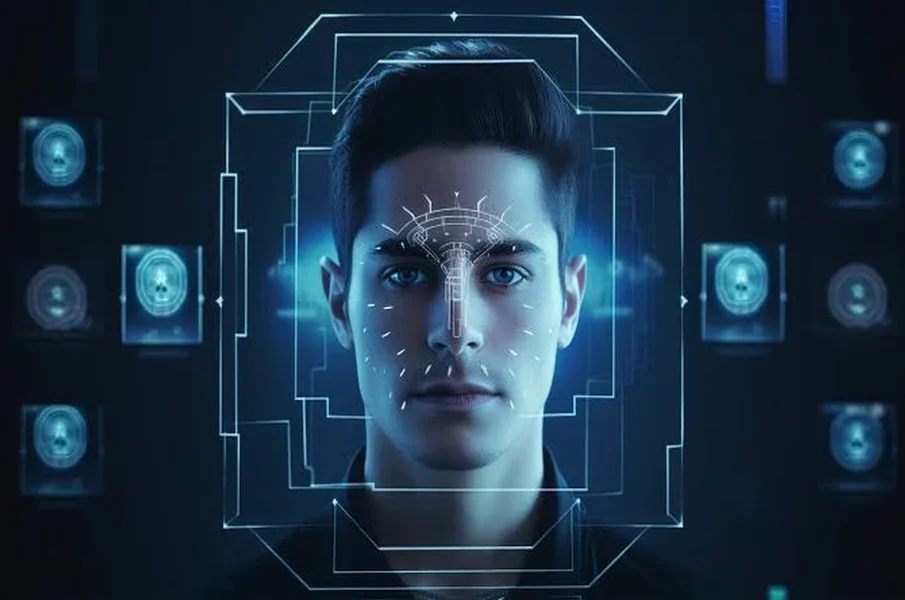
Job seekers should, and that answer comes from watching profile photos get treated as a vanity detail for years. Then, helping a cousin with her search last spring turned into a fast education. LinkedIn, portfolio sites, and sometimes even recruiting software use your profile photo before your resume, so a bad one immediately raises your risk level. It’s also matured. Dreamwave and platforms of that calibre turn out portraits you would swear came from a studio session, nothing like the obviously synthetic stuff from a few years back.
Job seekers today
Job seekers today are exactly the people a generated headshot helps most, because the modern hiring funnel is brutal in a specific way. One opening, several hundred applicants by Friday, and a recruiter whose only survival strategy is filtering quickly. Faces get filtered first. The cousin learned this the slow way. Four months with a cropped graduation photo on everything, almost no callbacks, growing quietly discouraged. A proper headshot got generated over one weekend, and her response rate warmed up within a few weeks. Same resume. Same cover letters, even.
Resume photo expectations
Resume photo expectations differ depending on where a job seeker is applying, though every industry rewards polish in its own dialect. Banks need to wear business attire and neutral backgrounds. There’s nothing wrong with a bit of personality in a design studio, and even sloppy designs are acceptable, but a sharp image is safer. Generators handle the spread beautifully since one upload yields multiple styles. The cousin applied to a logistics firm and a branding agency in the same week with two different looks from the same session, something no photographer could have delivered for what she spent, which was essentially nothing beyond an evening.
Interview callback connection
Interview callback connection is where the title question gets settled, because callbacks are the only metric a job search truly runs on. In addition to catching the recruiter’s eye, the photo quietly shapes how strong the same qualifications appear when they read everything underneath through that impression. It seems that people who upgraded their image continue to describe the same shifts. As applications flow through the first screen at a rate the old photo has never reached, recruiters start sending messages, and interviewers sometimes make the introduction by saying the face is familiar from the profile.
Choosing quality platforms
Choosing quality platforms is the one decision that can make or break this whole approach for a job seeker, since generators vary enormously, and the weak ones advertise themselves. Waxy skin. Reflections that belong to no light source in the frame. Recruiters catch these instantly, even when they could not articulate what felt wrong. The better platforms are trained on real portrait photography, and it shows in the output.
Career image longevity
Career image longevity pays the job seeker long after the offer letter arrives, because the same image then serves LinkedIn, the company directory, conference bios, all of it. Even though the profile remains honest as the career beneath it flourishes, regeneration takes only minutes, and no appointments are needed, so the profile remains genuine as the career grows.
If a job seeker is trying to weigh their options, the decision is as simple as arithmetic. One evening is all it takes to get a quality headshot that improves recruiters’ reading of your application and keeps serving throughout your search and subsequent career, which makes it one of the few upgrades in a job hunt that gets results on so many levels.



Leave a reply


-
Should job seekers use the best ai headshot generator?
Job seekers should, and that answer comes from watching profile photos get ... -
-
-
-
-