The Importance of Emergency Command Centres in the Field
Introduction
Emergencies require quick decisions, clear communication, and effective coordination. When an incident occurs away from permanent facilities, emergency teams may need a reliable place to manage their operations. Emergency command centres provide a central location where personnel can communicate, monitor developments, share information, and coordinate response activities. These centres can be especially useful during natural disasters, large public events, accidents, and other situations that require a coordinated response.
Establishing structured emergency command centers directly on site provides response leaders with the physical and technological foundation required to streamline critical operations. Having a dedicated field base ensures that multi-agency teams can rapidly gather data, assess risks, and direct personnel without relying solely on distant headquarters or fragmented communication channels. This immediate operational footprint creates a seamless bridge between local incident commanders and frontline responders, ensuring that resources are deployed where they are needed most.
Provide a Central Work Location
An emergency command centre gives response teams a dedicated place to work during an incident. Police, medical teams, firefighters, security personnel, and other agencies can use the centre to coordinate their responsibilities. Having teams work from a shared location can make it easier to exchange information and understand the overall situation.
Improve Communication
Clear communication is essential during an emergency. Teams in the field need to receive updates and report changing conditions quickly. Emergency command centres can provide communication systems that allow personnel to stay connected with field teams and other response groups. This helps ensure that important information reaches the right people without unnecessary delays.
Support Real-Time Monitoring
Emergencies can change quickly, so response teams need access to current information. Command centres can be equipped with communication tools, monitoring systems, maps, cameras, and other resources. These tools can help personnel track developments and understand what is happening in different areas. Access to updated information can support faster and more informed decisions.
Improve Coordination Between Teams
Large emergencies often involve multiple teams with different responsibilities. Without proper coordination, efforts can become confusing or inefficient. A command centre provides a shared environment where representatives from different teams can discuss priorities, assign tasks, and exchange updates. This can help ensure that resources are used effectively and that teams understand their roles.
Support Quick Decision-Making
Emergency personnel often have to make important decisions under time pressure. A command centre brings communication systems and relevant information together in one location. This allows decision-makers to review updates, communicate with field personnel, and adjust response plans as conditions change. A central workspace can therefore support more organised emergency management.
Useful During Major Events
Emergency command centres are also valuable during large public events. Concerts, festivals, sporting events, and other gatherings may require teams to monitor crowds, traffic, security, and medical situations.
Provide Flexible Field Support
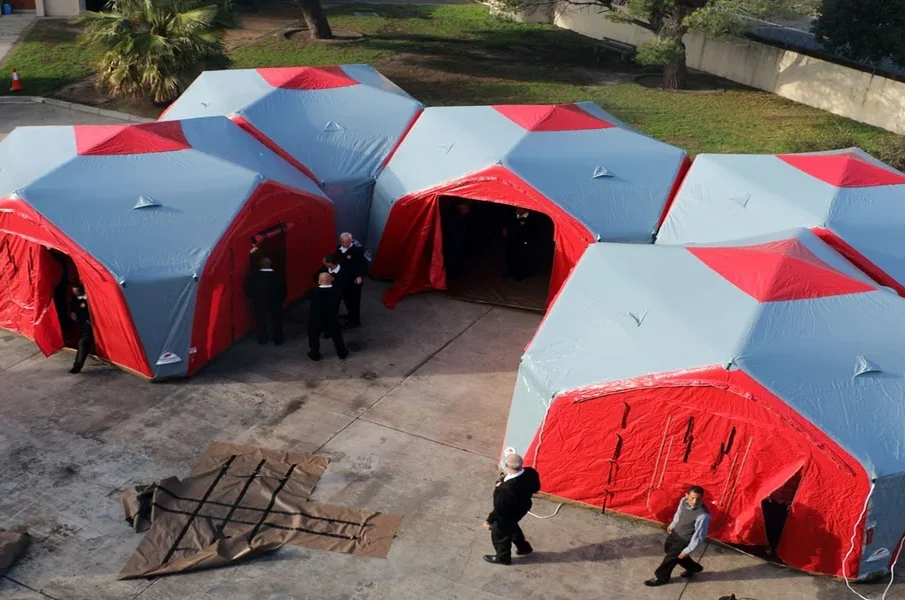
Mobile emergency command centres can be moved to locations where they are needed. This is particularly useful when permanent buildings are unavailable, damaged, or too far from the incident. A mobile centre can provide essential workspace and communication facilities closer to the affected area.
Conclusion
Emergency command centres play an important role in managing incidents in the field. They provide a central location for communication, monitoring, decision-making, and coordination between different response teams. Whether used during disasters, accidents, or major events, these centres can help emergency personnel organise their activities and respond more effectively. With proper planning, equipment, and trained staff, emergency command centres can provide valuable support during critical situations.






-
Hard Drive Failure or Corrupted Files – Can Data Recovery Software Solve These Problems?
Losing important personal or business files causes a big concern, especially when ... -
-
-
-
-